Tips for Creating a Relaxing Home Workspace to Boost Productivity and Wellbeing
Creating a relaxing home workspace is essential for maintaining productivity and supporting wellbeing while working remotely. A thoughtfully arranged environment can help reduce stress, improve concentration, and encourage good work habits. In this post, we’ll explore practical tips to transform your work area into a peaceful, efficient place that feels comfortable and inspiring.
Why a Relaxing Workspace Matters
Working from home has become increasingly common, but it can be challenging to separate work life from personal life, especially if your workspace is cluttered or uncomfortable. A calm, organised environment can:
– Reduce feelings of overwhelm and burnout
– Help you stay focused on tasks
– Promote a positive mood throughout the day
– Improve posture and physical comfort
Now, let’s look at how to achieve this.
Choosing the Right Location
Pick a Quiet Corner
Select a spot in your home with minimal distractions. A quiet corner or a spare room works well if possible. Avoid high-traffic areas where noise and interruptions are frequent.
Use Natural Light
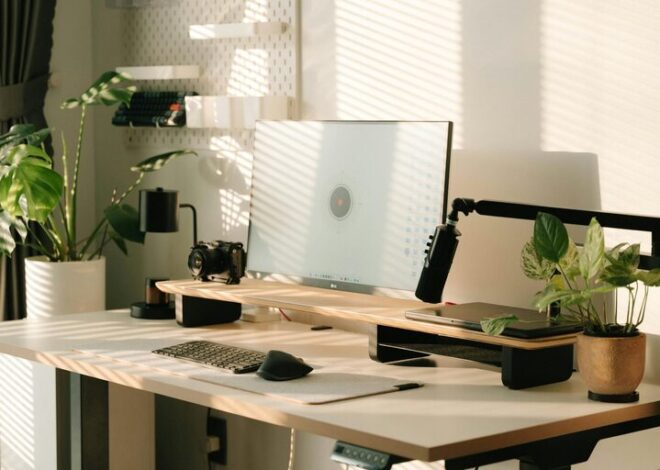
Position your desk near a window if you can. Natural light boosts alertness and enhances mood. If this isn’t an option, invest in quality daylight lamps to mimic natural light and reduce eye strain.
Setting Up Your Desk
Keep it Neat and Organised
A tidy desk helps clear your mind. Use storage solutions like desk organisers, shelves, and filing systems to keep essential items within reach but out of the way when not in use.
Invest in Ergonomics
Comfort is crucial. Use an adjustable chair with good lumbar support and a desk at the right height to encourage good posture. Consider a separate keyboard and mouse if you use a laptop to reduce strain on wrists.
Incorporating Relaxing Elements
Add Greenery
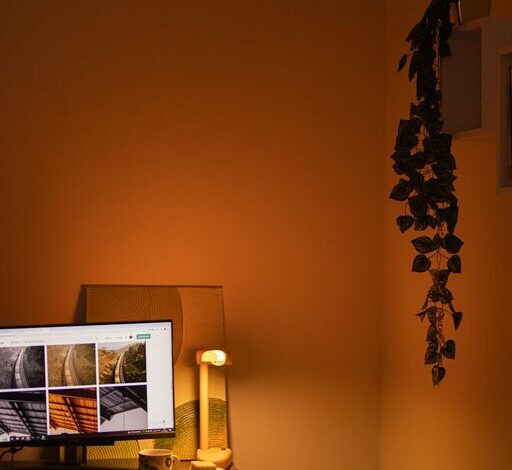
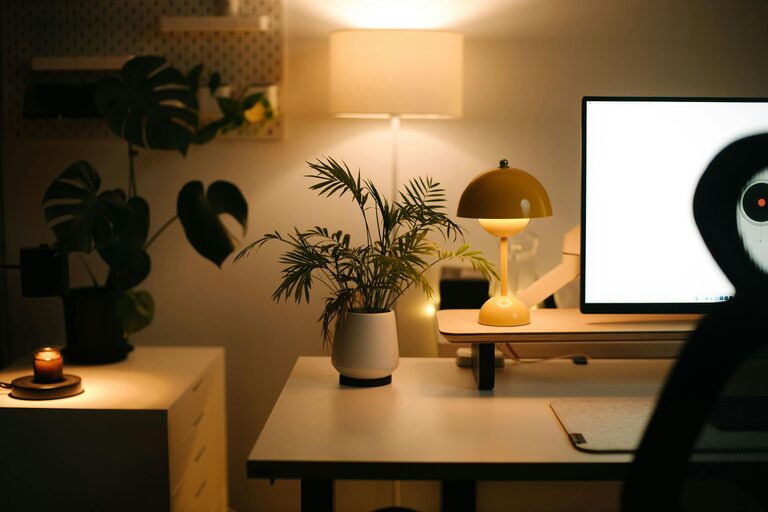
Plants can purify the air and provide a calming effect. Even a small succulent or potted herb can bring a touch of nature indoors.
Use Soothing Colours
Choose soft, muted colours for your walls and accessories to create a peaceful atmosphere. Shades like pale blue, green, or beige are often recommended for relaxation.
Personalise Mindfully
Display a few meaningful items, such as favourite photos or artwork, but avoid overcrowding. These small personal touches can enhance your mood without causing clutter.
Managing Technology
Minimise Screen Glare
Adjust your screen angle or use an anti-glare screen protector to prevent eye strain. Position your monitor at eye level and about an arm’s length away.
Limit Distractions
Switch off non-essential notifications during work hours. Using headphones with calming music or white noise can help block out distracting sounds.
Maintaining Wellbeing Throughout the Day
Take Regular Breaks
Incorporate short breaks every hour to stretch, breathe deeply, or briefly step outside. This helps refresh your mind and reduces physical tension.
Create a Comfortable Climate
Ensure your workspace is well ventilated and kept at a comfortable temperature. Use a fan, heater, or humidifier as needed to maintain an optimal environment.
Stay Hydrated and Nourished
Keep a water bottle nearby and remember to drink regularly. Healthy snacks like nuts or fruit can keep your energy levels steady without the crash.
Final Thoughts
Designing a relaxing home workspace is about balancing functionality with comfort and personal appeal. By organising your space thoughtfully, incorporating calming elements, and supporting your wellbeing, you can create an environment that helps you stay productive and happy while working from home.
Remember, small changes can make a big difference, so start with one or two tips and gradually adjust your workspace until it feels right for you.