Tips for Creating a Comfortable and Productive Home Office Environment
Creating a comfortable and productive home office is essential for anyone working remotely or spending significant time on tasks at home. A well-designed workspace not only improves focus but also supports good health and work-life balance. Here, we provide helpful tips to transform any space into a functional and inviting home office.
Choose the Right Location
Selecting the best spot for your home office is the first step. Ideally, the space should be quiet and secluded enough to minimise distractions.
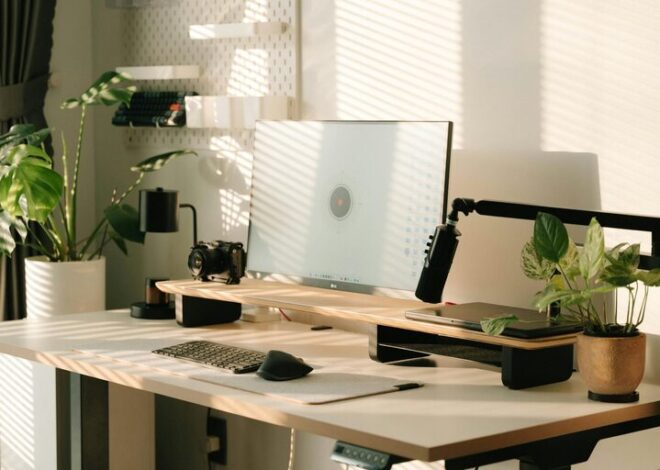
– Natural Light: Opt for a room or corner with plenty of natural light. Daylight can boost mood and reduce eye strain.
– Away from High-Traffic Areas: If possible, avoid spaces like the kitchen or living room where family members pass by frequently.
– Space Enough for Essentials: Ensure there is enough space for your desk, chair, and any equipment you need.
Invest in Ergonomic Furniture
Comfortable furniture is key to maintaining productivity without physical discomfort.
– Ergonomic Chair: Choose a chair with proper lumbar support, adjustable height, and comfortable cushioning to promote good posture during long work hours.
– Desk Height: The desk should be at a height that allows your arms to rest comfortably at about a 90-degree angle.
– Footrest: If your feet don’t reach the floor, consider a footrest to reduce pressure on your legs.
Organise Your Workspace
A tidy and organised workspace reduces stress and helps maintain focus.
– Declutter Regularly: Keep only necessary items on your desk to avoid distractions.
– Storage Solutions: Use shelves, drawers, or filing cabinets to store documents and office supplies neatly.
– Cable Management: Use clips or tubes to keep cables tidy and prevent tangling.
Optimise Lighting
Proper lighting reduces eye strain and creates a welcoming atmosphere.
– Layered Lighting: Use a combination of ambient, task, and accent lighting.
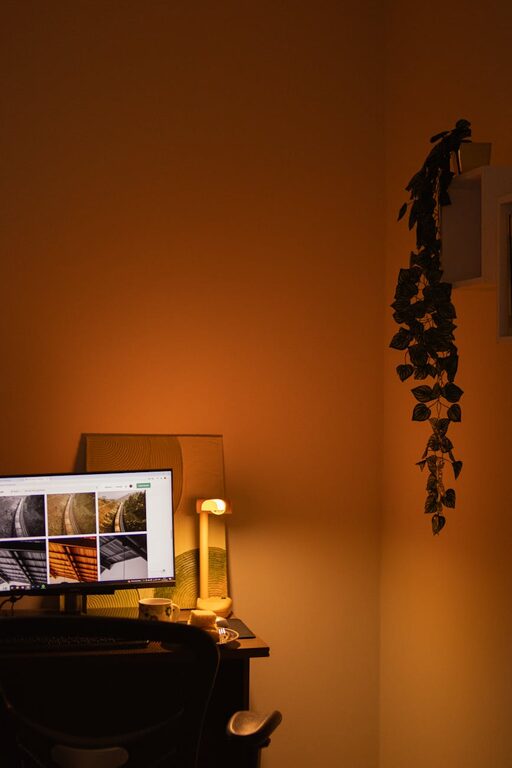
– Desk Lamp: Incorporate a good-quality desk lamp with adjustable brightness for focused tasks.
– Avoid Glare: Position screens and lamps to minimise glare on your monitor.
Personalise Your Space
Adding personal touches can make your workspace more inviting and motivate you during work.
– Plants: Indoor plants improve air quality and add a touch of nature.
– Artwork and Photos: Display artwork or photos that inspire and make you feel comfortable.
– Colour Choice: Use calm, neutral colours with occasional pops of colour to create a pleasant environment.
Maintain Good Air Quality
Air quality affects concentration and overall wellbeing.
– Ventilation: Keep windows open when possible to allow fresh air circulation.
– Air Purifiers: Consider an air purifier if your space is prone to dust or pollutants.
– Humidity Levels: Use a humidifier or dehumidifier to keep humidity at a comfortable level, ideally between 30% and 50%.
Set Up Your Technology Efficiently
Reliable technology supports smooth work processes.
– Fast Internet Connection: Invest in a fast and stable internet connection to prevent interruptions.
– Ergonomic Devices: Use a wireless keyboard, mouse, or headset to reduce strain.
– Monitor Positioning: Keep your monitor about an arm’s length away, with the top of the screen at or slightly below eye level.
Create Work Boundaries
Separating work from personal life helps maintain a healthy balance.
– Designated Work Hours: Set specific work hours and stick to them.
– Breaks: Take regular short breaks to rest your eyes and stretch.
– End-of-Day Routine: Have a routine to signal the end of work, such as shutting down your computer or tidying your desk.
Incorporate Movement and Comfort
Physical health is important when working from home.
– Stretching: Incorporate simple stretches throughout your day.
– Standing Desk Option: Consider a standing desk or desk converter to alternate between sitting and standing.
– Comfort Accessories: Use cushions, wrist supports, or anti-fatigue mats to improve comfort.
—
In conclusion, creating a comfortable and productive home office involves thoughtful planning and small changes that make a big difference. By paying attention to location, furniture, organisation, and personal wellbeing, you can build a space that supports your best work. Whether you are new to working from home or looking to improve your current setup, these tips will help you make the most of your home office environment.