
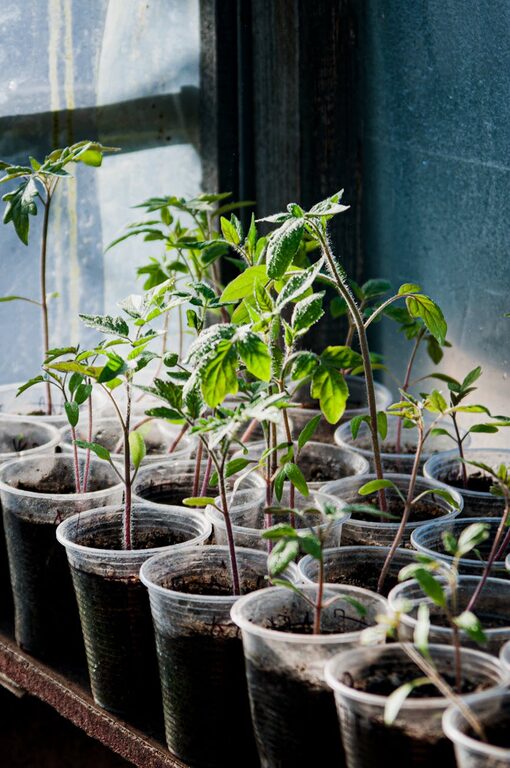
Practical Tips for Creating a Sustainable Home Garden All Year Round
Creating a sustainable home garden is a rewarding way to connect with nature, reduce your environmental impact, and enjoy fresh, homegrown produce and flowers all year long. By adopting eco-friendly practices and planning for the changing seasons, you can ensure your garden thrives while supporting local ecosystems.
In this guide, we’ll explore practical tips for maintaining a sustainable home garden throughout the seasons, helping you nurture plants in harmony with nature.
Why Choose a Sustainable Garden?
Sustainable gardening focuses on using natural resources wisely without causing harm to the environment. It encourages biodiversity, conserves water and soil, reduces waste, and avoids harmful chemicals. This approach not only benefits the planet but also leads to healthier, more resilient gardens.
Planning Your Garden for All Seasons
A well-planned garden can provide interest and yield throughout the year, not just during spring and summer.
1. Know Your Climate and Seasons
Understanding your local climate and seasonal changes is essential. In the UK, the four distinct seasons affect what plants grow best and when to plant them. Use a gardening calendar specific to your region to timing sowing, planting, and harvesting.
2. Choose Native and Seasonal Plants
Native plants are adapted to your area’s climate and usually require less water, fertiliser, and maintenance. Incorporate seasonal crops and flowers that thrive during specific times of the year to keep your garden productive.
Soil Health and Composting
Healthy soil is the foundation of any sustainable garden.
1. Test and Improve Your Soil
Before planting, test your soil’s pH and nutrient levels. Amend it with organic matter such as compost or well-rotted manure to improve fertility and structure.
2. Start Composting at Home
Composting kitchen scraps, grass clippings, and garden waste reduces landfill waste and creates nutrient-rich compost to feed your plants naturally.
Water Wisely
Water conservation is vital in sustainable gardening.
1. Collect Rainwater
Use rain barrels or water butts to collect rainwater for irrigation, reducing reliance on tap water.
2. Water at Optimal Times
Water your garden early in the morning or late in the evening to minimise evaporation.
3. Use Mulch
Applying mulch around plants helps retain soil moisture, suppress weeds, and improve soil health.
Encouraging Biodiversity
A sustainable garden supports wildlife and natural pest control.
1. Plant Pollinator-Friendly Flowers
Flowers such as lavender, foxgloves, and wildflowers attract bees, butterflies, and other pollinators.
2. Create Habitats
Provide bird feeders, insect hotels, and log piles to shelter beneficial animals and insects.
3. Avoid Pesticides and Herbicides
Use organic methods like companion planting, manual removal, and natural predators to manage pests.
Seasonal Planting Tips
Spring
– Start sowing hardy vegetables like peas, spinach, and radishes.
– Prepare beds by adding compost and removing winter debris.
– Prune shrubs and fruit trees before they bud.
Summer
– Water deeply but less frequently to encourage deep root growth.
– Harvest crops regularly to encourage continued production.
– Sow quick-growing crops like salad leaves for continuous harvest.
Autumn
– Plant garlic, onions, and shallots for next year’s harvest.
– Sow cover crops such as clover to protect and enrich soil.
– Collect fallen leaves for mulch or compost.
Winter
– Protect tender plants with fleece or cloches.
– Plan crop rotations and garden layout for the coming year.
– Keep bird feeders stocked to support wildlife.
Sustainable Tools and Materials
– Use hand tools instead of powered ones to reduce carbon footprint.
– Opt for recycled or sustainably sourced garden furniture and pots.
– Repair and repurpose old materials instead of buying new.
Final Thoughts
A sustainable home garden requires thoughtful planning and ongoing care but offers many rewards. By choosing the right plants, nurturing your soil, conserving water, and working with nature, you’ll create a beautiful, productive space year-round.
Remember, small changes in your gardening habits can make a big difference for the environment. Start simple, enjoy the process, and watch your sustainable garden flourish through every season.